Dental hygiene guide
3 min readYour first hygienist appointment
What happens at a hygiene visit, direct access, comfort and preparing for your appointment.
The clinician should ask about your health, medicines, dental history and concerns before deciding what care is appropriate. Gum assessment may include measuring around teeth and recording bleeding or deposits.
Care can involve advice, professional cleaning and a plan for further treatment or review. A first appointment may focus on assessment rather than completing every treatment. Ask who will provide care and what is included.
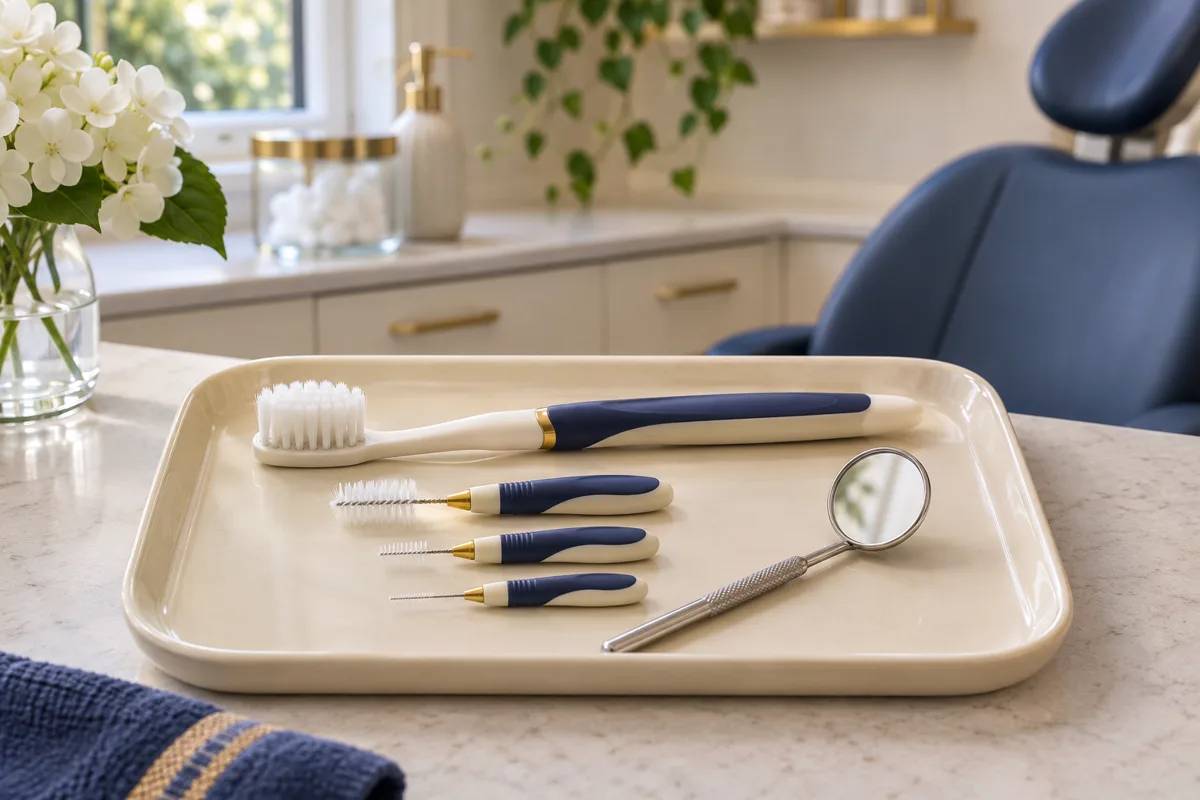
Illustrative artwork, not a patient photograph or promised result.
Contents
What to discuss with your dental team
- Bring an up-to-date medication list and mention allergies, pregnancy, bleeding problems and recent surgery.
- Explain sensitivity, anxiety, hearing or mobility needs before treatment starts.
- Agree a pause signal and ask for the cleaning technique and recommended aids to be demonstrated.
When to seek professional help
Frequently asked questions
Do I need a referral from a dentist?
Not always. Direct-access hygiene is available in some practices, but the clinician may refer you to a dentist for concerns outside their scope or for a fuller assessment.
Should I brush immediately before the visit?
Your normal cleaning routine is enough. Do not scrub aggressively to hide deposits. The clinician needs an honest picture of what you can manage at home.
Can I go if I have not seen a dentist for years?
Yes, ask for an assessment and explain the gap in care. You may need a dental examination and a staged plan rather than one quick cleaning visit.
Will it hurt?
Sensitivity varies with gum inflammation, exposed roots and the treatment needed. Tell the clinician early; pauses, adjusted techniques or local anaesthetic may help when appropriate.
Can I ask them to stop?
Yes. Agree a hand signal before starting and raise it if you need a break, feel pain or want something explained.
Will I need injections?
Not for every visit. Deeper periodontal treatment or sensitivity may justify local anaesthetic. Ask about comfort options and their risks before treatment.
Can I wear lipstick or bring headphones?
Ask the practice. Lip products may need removing, and headphones should not prevent communication. Small comfort preferences are reasonable to discuss.
What if I gag or struggle to lie flat?
Tell the team before the visit. Positioning, suction, shorter stages and pauses may help. Breathing or medical concerns should be discussed when booking.
Can I bring someone with me?
Ask about space, support-person arrangements and any communication needs. You can request help understanding the proposed care and costs.
How can Odenta help with my first visit?
Odenta can share a hygiene appointment request with suitable participating practices. Include access or anxiety needs; the practice confirms what it can accommodate.
Explore dental hygiene care with Odenta
Odenta helps you request care from participating dental practices. The treating practice confirms availability, suitability, treatment options and fees. Seek professional advice early about symptoms or concerns; an online request is not a diagnosis or confirmed appointment.
View care optionsOfficial sources
These links open professional guidance and patient information. Any manufacturer material is labelled and explains its own system; it is not independent evidence of superiority.
- NHS: how to keep your teeth clean (external)
- NHS: gum disease (external)
- SDCEP: professional mechanical plaque removal (external)
- GDC: direct access to dental care professionals (external)
- UK prevention toolkit: periodontal diseases (external)
- NHS: mouth ulcers (external)
- NHS: dental treatment costs (external)
Content updated 2 November 2026 · General patient information from the sources above.
References used for this guide are listed above.
Was this page helpful?
Your response is saved on this device for now.