OdentΛ

Local treatment planning

Emergency dentist in Lancaster

Understand the treatment and the local access route before requesting care. The treating practice assesses suitability and confirms any appointment, fees and follow-up.

Urgent dental safety

When to seek help now

Seek urgent dental assessment for severe or persistent pain, increasing swelling, a knocked-out adult tooth or bleeding after an extraction. Call 999 or go to A&E for serious facial injury, heavy bleeding that will not stop, or severe mouth or neck swelling affecting breathing or swallowing. Do not wait for an Odenta response.

Contact your usual dentist first for a new urgent problem. If you cannot reach a dentist or do not have one, NHS 111 can advise on urgent dental access. Describe symptoms and changes clearly. Dental hospitals may require triage or referral, so do not assume a hospital has a public walk-in dental clinic.

Emergency symptoms and what to do

Local patient planning

Emergency dentist decisions in Lancaster

For a Lancaster emergency enquiry, tell the assessor whether you are at university, at home elsewhere in Lancashire or visiting temporarily. The regional urgent service allocates care after assessment, so do not head to a familiar clinic without an appointment. Explain recent treatment and any difficulty returning for another visit. Before leaving urgent care, ask which part of the problem has been treated and what remains. If you are leaving Lancaster soon, arrange how the next dentist will receive the findings rather than assuming an urgent visit completes the course.

The local access route

Lancashire and South Cumbria's public dental service uses a regional helpline to allocate urgent appointments and does not accept walk-ins. Follow its current contact instructions or NHS 111 advice. Community and specialist dental support has separate access criteria; it is not an alternative route to unrestricted routine registration.

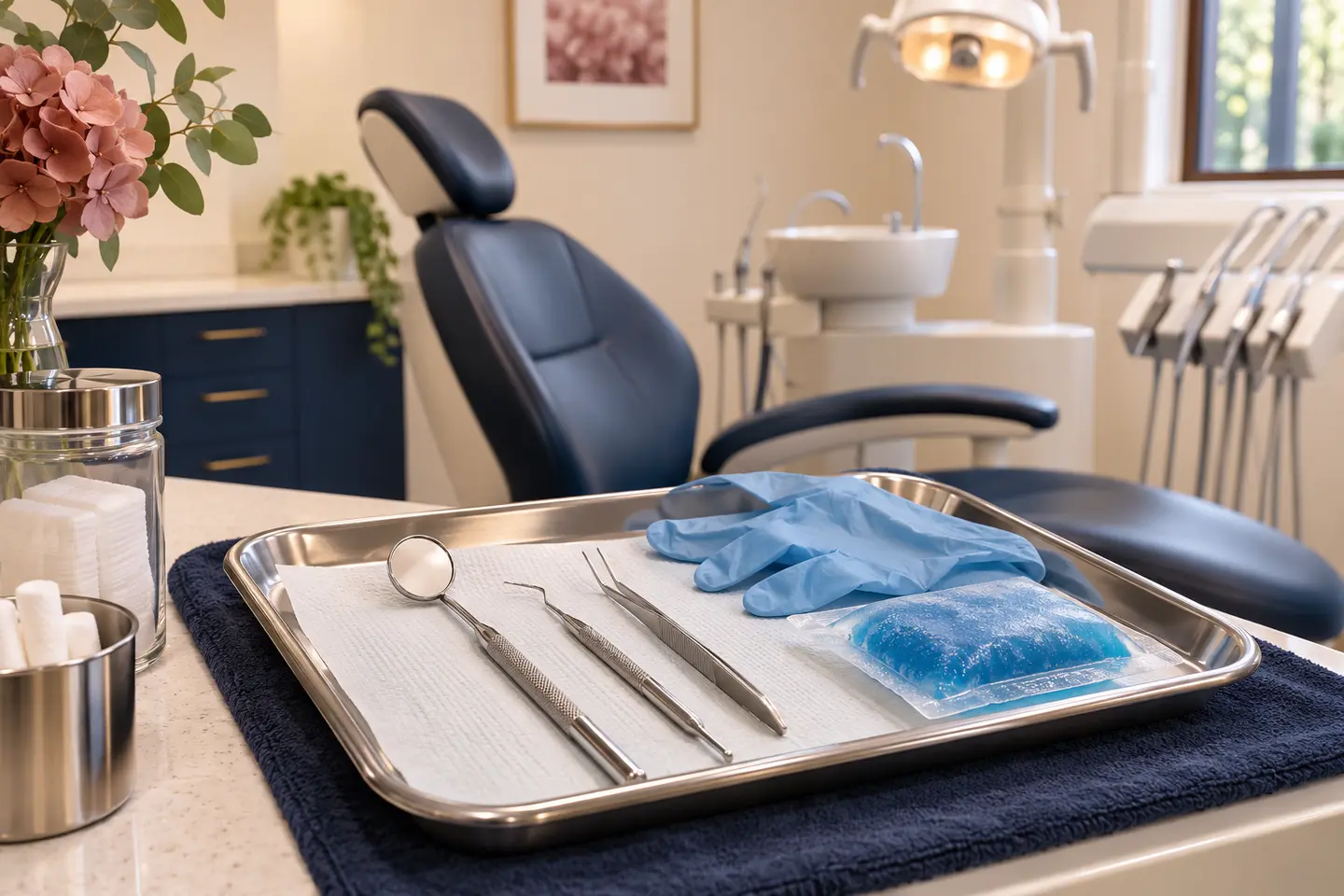
Dental instruments and a cold pack prepared for an urgent dental assessment

Plan the full course of care

If you split time between Lancaster and another home, explain those dates before agreeing to a sequence of visits. Ask whether records and radiographs can be shared with your existing dentist and who handles a problem between appointments. For travel from outside the city, check the actual district of the venue and your return options. A student or temporary resident should understand which appointments are essential before departure, rather than assuming the final visit can simply move to another practice.

Routine care in England

Use the NHS dentist search for routine NHS care and check directly whether a practice can accept you. An urgent NHS visit does not automatically give you ongoing routine care. Odenta's NHS waiting-list interest is separate from the NHS search and from an individual practice's patient list; it cannot guarantee acceptance or a waiting time.

Understand dental access in England

Official local access information

Local access sources checked . These independent public services are separate from DAN participation. Follow their current instructions.

Treatment questions before requesting care in Lancaster

How it usually works

A dental professional assesses the problem, your symptoms and relevant medical history.

Potential benefits

Prompt assessment can identify whether pain, swelling, trauma or a broken restoration needs urgent treatment.

Risks and limitations

An online request is not a diagnosis and does not guarantee a same-day appointment.

Costs and the written plan

Ask whether the quoted fee covers assessment only or includes X-rays and immediate treatment.

This is general information. Your clinician assesses the problem, explains alternatives and agrees your individual plan.

Read the complete emergency dentist guide

For dental practices

Does your practice serve Lancaster?

Apply through DAN, complete onboarding and control your public profile, services and patient requests. Your practice decides whether it can offer an appointment.

Apply to join DAN