Specialist dentistry guide
3 min readPeriodontists and gum disease treatment
When specialist gum assessment may help, what periodontal treatment involves and why maintenance remains important.
A periodontist assesses and manages disease affecting the tissues supporting teeth. A referral may be useful for complex gum disease, an uncertain response to treatment or a problem needing specialist planning.
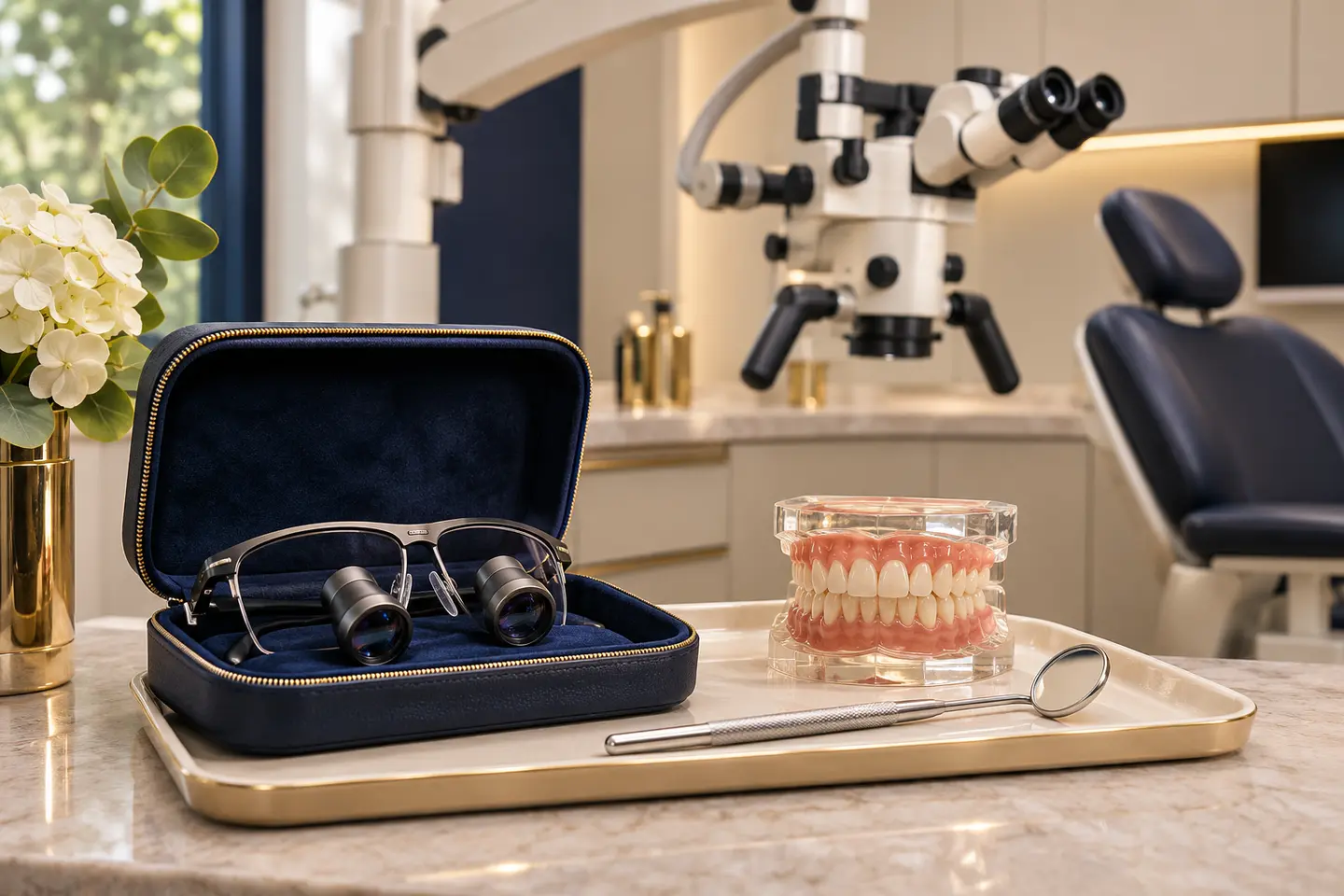
Illustrative artwork, not a patient photograph or promised result.
Contents
Assessment comes before the treatment label
Expect discussion of your health, smoking, medicines and home cleaning, alongside examination of the gums and supporting tissues. The team may use measurements and appropriate images to understand the pattern and extent of disease.
Ask what the diagnosis means for each affected tooth, what can be managed and what remains uncertain. A single bleeding episode or an online photograph cannot establish the severity.
Treatment is usually a continuing process
A plan may involve improving plaque control, professional cleaning and reassessment. Selected cases need further treatment, including surgery, but surgery is not automatically the first or best step.
Long-term maintenance matters even when symptoms improve. Agree who provides it, how visits will be tailored and how your general dentist, hygienist and specialist will share information.
When to seek professional help
Frequently asked questions
Is deep cleaning the same as seeing a periodontist?
No. General dental teams can provide periodontal care within their competence. Specialist assessment is a separate decision based on complexity and need.
Can gum disease exist without pain?
Yes. Do not rely on pain to judge gum health. Persistent bleeding, recession or tooth movement deserves dental assessment.
Will lost bone always grow back?
No. Regenerative procedures are suitable only in selected circumstances and cannot promise full restoration of every lost supporting tissue.
Will I definitely lose loose teeth?
Not necessarily. The outlook depends on the cause and remaining support. Ask for an individual prognosis rather than assuming either loss or recovery.
Can I have implants while gum disease is active?
Gum health and risk factors need assessment and appropriate management before implant planning. Discuss the sequence with your treating clinicians.
Why do I need maintenance after treatment?
Gum disease can recur or progress. Maintenance helps monitor stability and supports cleaning suited to your mouth.
Will mouthwash cure the problem?
It is not a substitute for diagnosis, effective plaque control and indicated professional treatment. Ask your clinician whether any product has a role in your plan.
How can Odenta help with specialist gum care?
Choose periodontics in the specialist request pathway. The receiving practice assesses your needs and confirms availability, referral requirements and charges.
How Odenta can help
Odenta helps you request a consultation from participating practices. The receiving practice confirms availability, clinician suitability, referral requirements and fees. Odenta does not diagnose, prescribe or provide treatment.
Explore specialist dentistryOfficial sources
These links open professional guidance and patient information. Any manufacturer material is labelled and explains its own system; it is not independent evidence of superiority.
Content updated 8 November 2026 · General patient information from the sources above.
References used for this guide are listed above.
Was this page helpful?
Your response is saved on this device for now.