Specialist dentistry guide
3 min readComplex restorative dental care
How clinicians plan care for worn, damaged or missing teeth and compare preserving teeth, crowns, bridges, dentures and implants.
Complex restorative care coordinates treatment when several teeth, the bite or existing dental work need attention. The aim is a maintainable plan based on oral health and function as well as appearance.
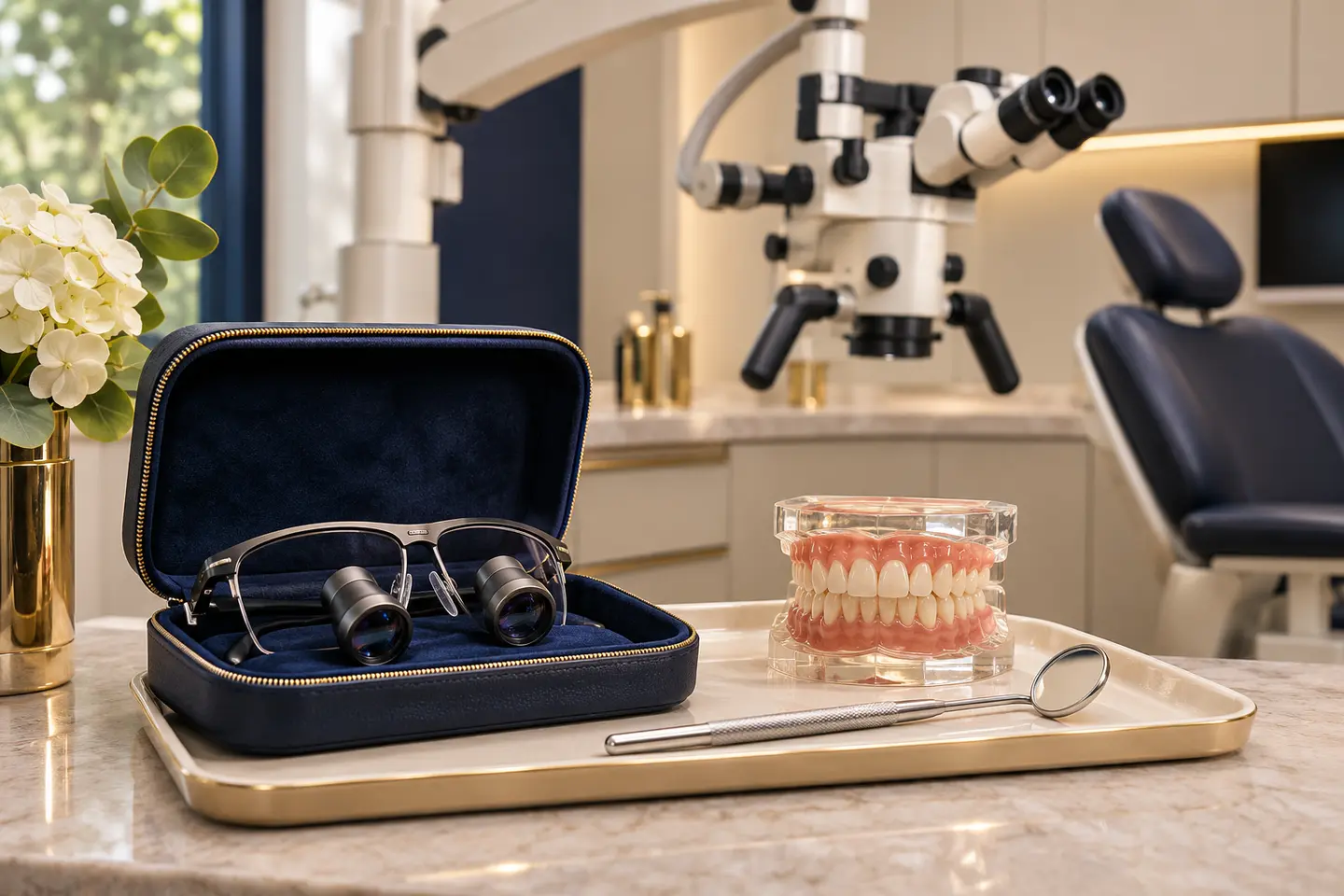
Illustrative artwork, not a patient photograph or promised result.
Contents
Begin with diagnosis and priorities
Ask which problems need stabilising before definitive restorations. Decay, gum disease, tooth wear and bite concerns may need different expertise. A staged plan can separate urgent needs, disease control and later replacement or reconstruction.
Prosthodontics is a dental specialty concerned with restoring and replacing teeth, but not every complex case needs the same specialist. Ask who will coordinate the plan and whether additional opinions would help.
Compare the whole commitment
Discuss preserving teeth where feasible and the alternatives for missing teeth, including leaving a space when appropriate. Crowns, bridges, dentures and implants each have limitations and maintenance needs.
Ask about the amount of tooth preparation, temporary restorations, expected appointments, future repairs and total cost. A proposed smile image is not a guarantee of comfort, function or durability.
When to seek professional help
Frequently asked questions
Do all heavily filled teeth need crowns?
No. Each tooth needs assessment of remaining structure, symptoms, bite and other factors. Ask why a proposed restoration is appropriate.
Is an implant always better than keeping a tooth?
No. Compare the outlook for the tooth with the risks, maintenance and alternatives to replacement. Extraction is irreversible.
Can treatment be divided into stages?
Often a staged plan is possible, but the sequence must be clinically sensible. Ask which delays might affect the outcome.
Can I request a second opinion on a large plan?
Yes. Ask for a clear diagnosis, records and written proposal so another clinician can assess the issues independently.
Will new teeth last forever?
No restoration has a guaranteed lifetime. Home care, disease risk, bite and maintenance affect future repair or replacement needs.
What if several clinicians are involved?
Ask who coordinates treatment, how information is shared and who handles problems between stages.
Does Odenta have a prosthodontics booking option?
There is no dedicated prosthodontics option in the current pathway. Ask your dentist about the appropriate referral rather than selecting an unrelated service.
Can Odenta still help with parts of my care?
The specialist pathway includes implantology, endodontics, periodontics, oral surgery, paediatric dentistry and sedation requests, subject to practice availability and assessment.
How Odenta can help
Odenta helps you request a consultation from participating practices. The receiving practice confirms availability, clinician suitability, referral requirements and fees. Odenta does not diagnose, prescribe or provide treatment.
Explore specialist dentistryOfficial sources
These links open professional guidance and patient information. Any manufacturer material is labelled and explains its own system; it is not independent evidence of superiority.
Content updated 8 November 2026 · General patient information from the sources above.
References used for this guide are listed above.
Was this page helpful?
Your response is saved on this device for now.