Specialist dentistry guide
3 min readOral surgery and wisdom tooth assessment
Questions about wisdom tooth removal, surgical referrals, nerve risks, alternatives and recovery planning.
An oral surgery consultation establishes whether a procedure is needed and how it should be carried out. Wisdom teeth do not all need removal; the decision depends on disease, symptoms, anatomy and the balance of risks.
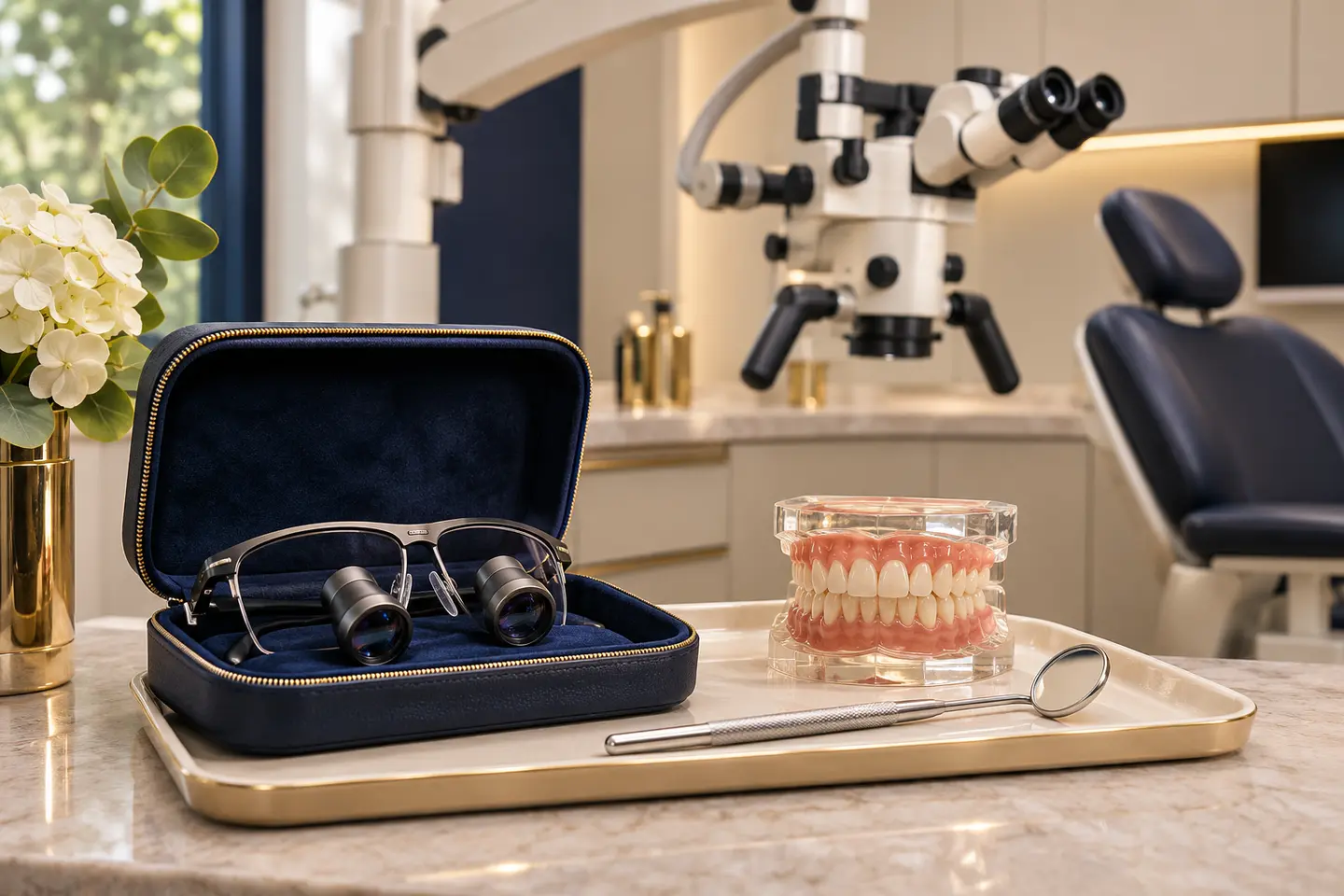
Illustrative artwork, not a patient photograph or promised result.
Contents
Ask why intervention is proposed
The surgeon should explain the problem, reasonable alternatives and what may happen with monitoring. Relevant examination and imaging help plan care, but not everyone needs the same scan or operation.
For some lower wisdom teeth close to a nerve, a coronectomy may be considered instead of complete removal. It leaves roots behind in selected cases and has its own follow-up needs; it is not suitable for every tooth.
Plan the procedure and recovery
Discuss bleeding, infection, dry socket and nerve-related altered sensation where relevant. Ask which risks are particularly important in your case and whether they may be temporary or lasting.
Tell the team about medicines and medical conditions. Follow their individual instructions for eating, escorts and aftercare; do not stop prescribed medicines yourself. Clarify who to contact if recovery is not following the expected course.
When to seek professional help
Frequently asked questions
Must every impacted wisdom tooth come out?
No. An impacted position alone does not decide treatment. A clinician assesses disease, risks and whether observation or intervention is appropriate.
Will I be asleep for oral surgery?
Not necessarily. Local anaesthetic, sedation or general anaesthesia are different options requiring assessment. Ask what is planned for you.
Can removal affect feeling in my lip or tongue?
Some lower wisdom tooth procedures carry nerve-related risks. Ask how your anatomy affects the risk and what alternatives may be relevant.
Is coronectomy a mistake because roots remain?
No. In selected cases it is a planned technique intended to reduce certain nerve risks. Retained roots can still require monitoring or later treatment.
Can I drive myself home?
This depends on the procedure and anaesthesia or sedation. Obtain and follow the service’s transport instructions before the appointment.
Should I stop blood-thinning medicine?
Do not stop prescribed medicine yourself. Give the surgical team a complete medicine list so they can plan safely.
What if swelling or pain gets worse?
Contact the treating service promptly, particularly with fever, increasing swelling or persistent bleeding. Breathing or swallowing difficulty needs emergency medical help.
Can Odenta book the operation directly?
Odenta can help you request oral surgery assessment. The receiving clinician decides whether surgery is suitable and confirms the referral and booking arrangements.
How Odenta can help
Odenta helps you request a consultation from participating practices. The receiving practice confirms availability, clinician suitability, referral requirements and fees. Odenta does not diagnose, prescribe or provide treatment.
Explore specialist dentistryOfficial sources
These links open professional guidance and patient information. Any manufacturer material is labelled and explains its own system; it is not independent evidence of superiority.
Content updated 8 November 2026 · General patient information from the sources above.
References used for this guide are listed above.
Was this page helpful?
Your response is saved on this device for now.